Bad Credit Business Loans &
Flexible Financing Solutions

At Tree of Life Funding, we help small business owners with less-than-perfect credit secure funding through alternative lending solutions.

For expert tips on how to apply

How much funding do you need?

* Required
$ 762,000
$25,000 $1,500,000

How it works

Apply in Minutes

Fill out our simple online form for quick pre-approval.
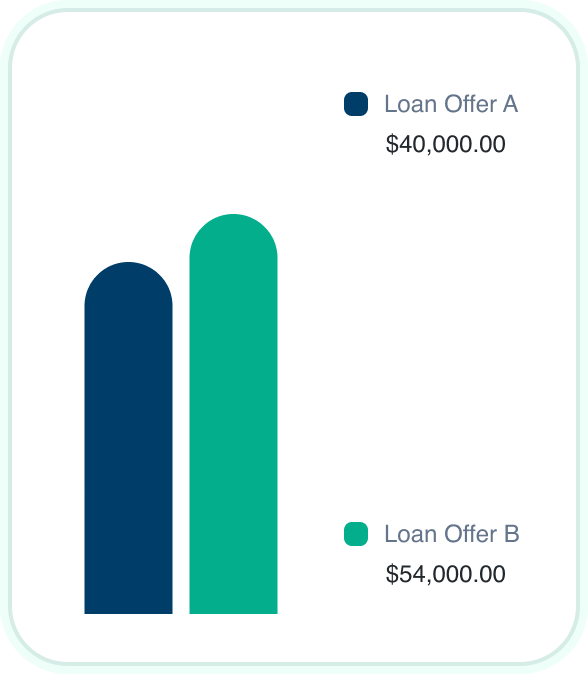
Compare Your Options

Choose from secured or unsecured loans, with no personal guarantee required.
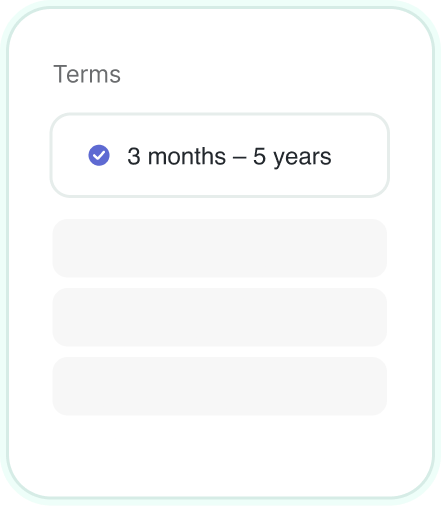
Customize Your Loan

Select the best terms that fit your business needs.
Get Funded Quickly

Receive funds in as little as 1-3 business days.

Bad Credit Business Loans
Quick Overview

Flexible Financing Option

Tailored to your business needs

Support for Women-Owned Businesses

Tailored to your business needs

Flexible Terms

Loan durations up to 18 months.

Revenue-Based Financing

Loan amounts are based on your monthly revenue, with payments adjusted

Trusted by Thousands

1,500+ five-star reviews from happy business owners.

Fast Access to Capital

Get approved and funded in as few as 1-2 business days.

Bad Credit Business Loans
Quick Overview

A low credit score doesn’t define your business potential! Many entrepreneurs struggle with credit due to personal financial sacrifices made to keep their businesses running

At Tree of Life Funding, we connect small business owners with lenders who offer flexible funding options—without the high fees and impossible repayment terms of traditional bank loans.
These loans are structured to keep your cash flow healthy while providing the financial support you need to grow.

How Do Business Loans for Bad Credit Work?

Here are the best financing options available

Access a flexible credit limit for ongoing business expenses.

Get an upfront cash lump sum based on your credit card sales.
Cover operational expenses without long-term commitments.
Secure funds specifically for purchasing business equipment.
Borrow based on monthly revenue, with payments tied to sales volume.
Sell unpaid invoices to get immediate cash flow.
Does Your Personal Credit Score Impact Business Loans?
Complete our streamlined online application—or request a personalized application via email — from one of our knowledgeable agents.

Good news

Some lenders focus only on your business’s revenue, making it possible to get approved even with bad credit. 

Industry Insights &
Approval Rates

65%

Some lenders focus only on your business’s revenue, making it possible to get approved even with bad credit. 

55%

Of business owners say fast approval is their top priority when choosing a lender. (Source: 2023 Small Business Credit Survey)

650+

Traditional banks require minimum credit scores of 650+, while online lenders offer flexible criteria. (Source: Experian)
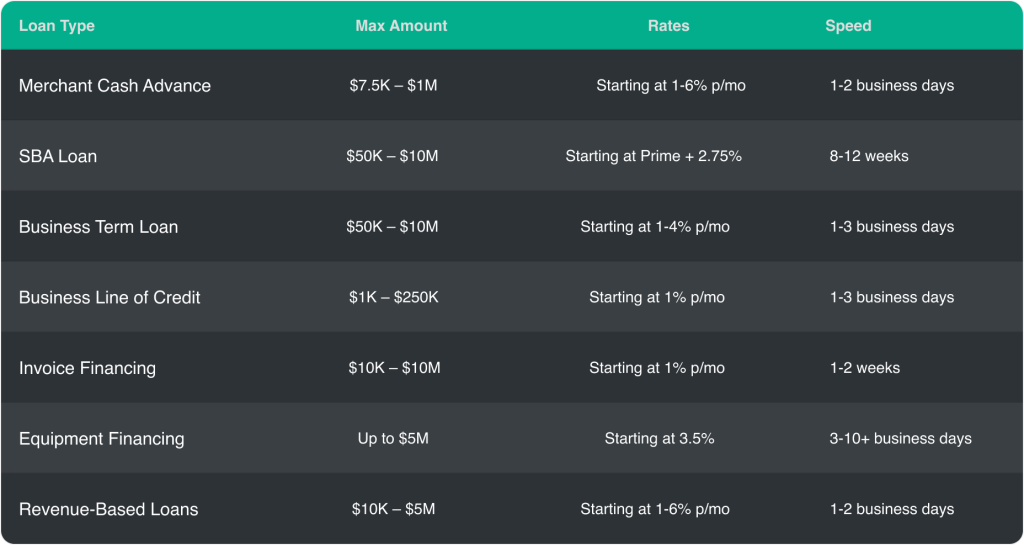
Pros & Cons of Business Loans for Bad Credit

Pros

Cons

Compare Loan Types

Who Qualifies for Bad Credit
Business Loans?

240k

Months in Business

475+

Credit Score

6+ months

Months in Business

How it works

Apply today & take control of your business finances!
No hidden fees. No obligations. Just fast, easy funding.
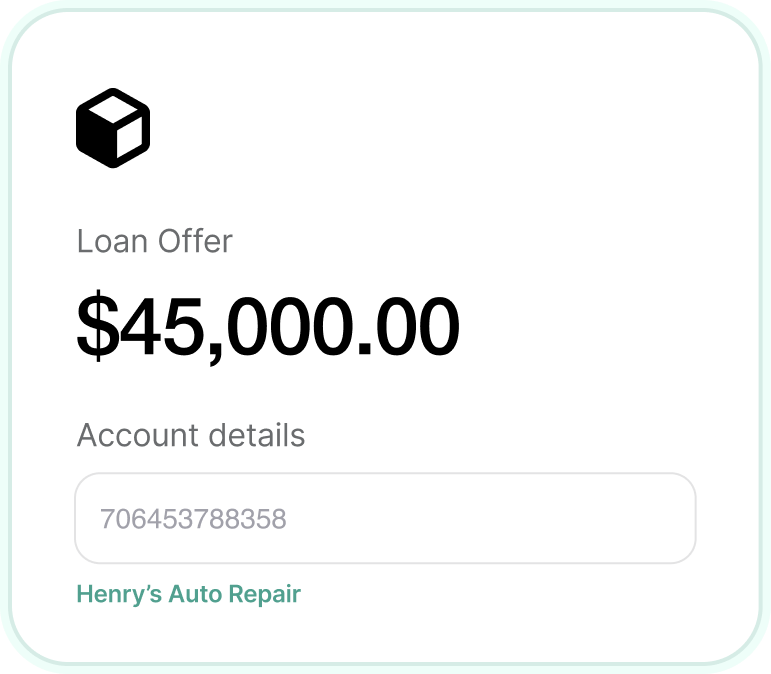
STEP 1

Choose the right loan based on your business needs.

STEP 2

Submit your online application (documents include bank statements, tax returns, and revenue reports) for fast approval.
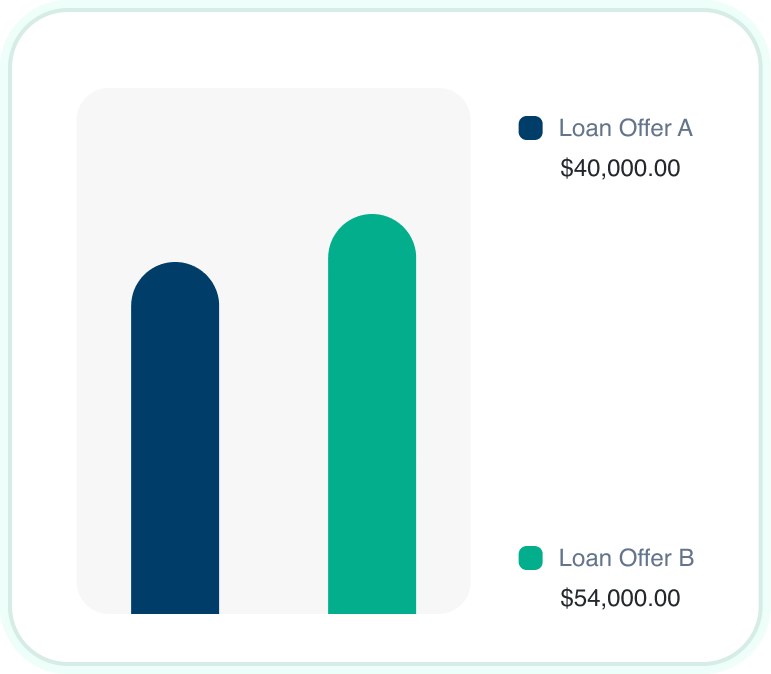
STEP 2

Compare offers and choose the best one for your business.

FAQs

Frequently asked question
What Is Considered “Bad Credit?
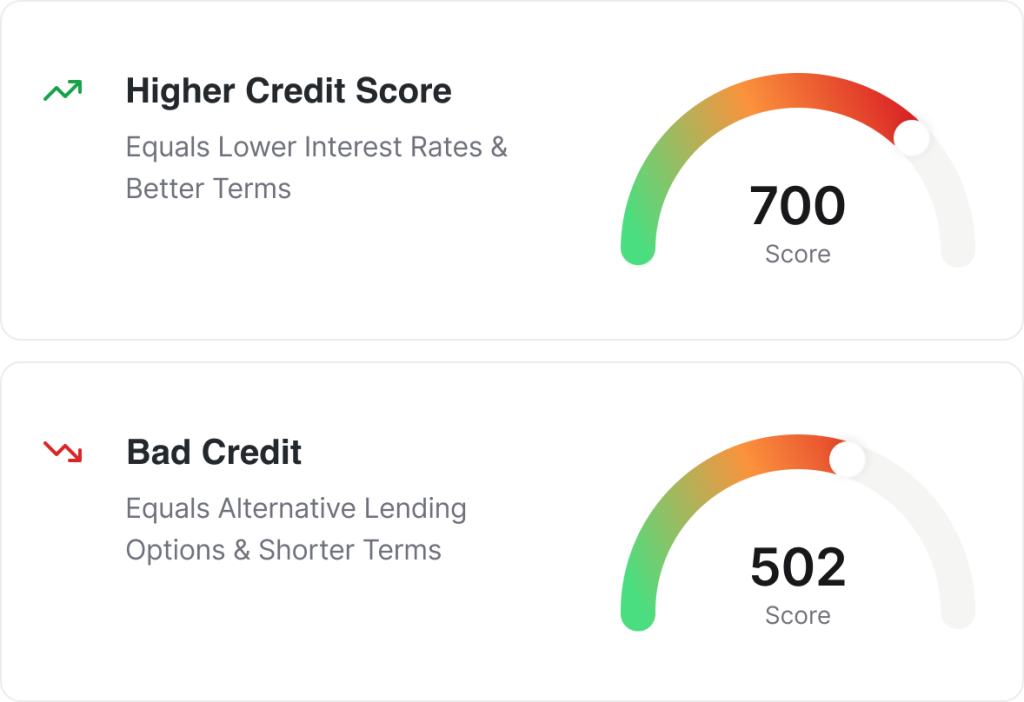
A bad credit score generally falls between 300 and 629 on the FICO scale. Here’s how credit agencies categorize credit ratings:
  • 800+ (Excellent Credit): No late payments or collections. A long credit history that qualifies for the best rates with both traditional and alternative lenders.
  • 740-799 (Very Good Credit): No late payments or collections, though the credit history may be shorter. Still eligible for the best rates with financial institutions.
  • 670-739 (Good Credit): No recent late payments or collections. Most lenders will offer competitive loan rates.
  • 580-669 (Fair Credit): Some past late payments or collections, but not currently. Eligible for reasonable rates with alternative lenders.
  • 300-579 (Poor Credit): Struggles with collections and past financial difficulties. Loans are available, but interest rates may be higher. Some alternative lenders provide more competitive rates than others.
A bad credit score generally falls between 300 and 629 on the FICO scale. Here’s how credit agencies categorize credit ratings:
  • 800+ (Excellent Credit): No late payments or collections. A long credit history that qualifies for the best rates with both traditional and alternative lenders.
  • 740-799 (Very Good Credit): No late payments or collections, though the credit history may be shorter. Still eligible for the best rates with financial institutions.
  • 670-739 (Good Credit): No recent late payments or collections. Most lenders will offer competitive loan rates.
  • 580-669 (Fair Credit): Some past late payments or collections, but not currently. Eligible for reasonable rates with alternative lenders.
  • 300-579 (Poor Credit): Struggles with collections and past financial difficulties. Loans are available, but interest rates may be higher. Some alternative lenders provide more competitive rates than others.
A bad credit score generally falls between 300 and 629 on the FICO scale. Here’s how credit agencies categorize credit ratings:
  • 800+ (Excellent Credit): No late payments or collections. A long credit history that qualifies for the best rates with both traditional and alternative lenders.
  • 740-799 (Very Good Credit): No late payments or collections, though the credit history may be shorter. Still eligible for the best rates with financial institutions.
  • 670-739 (Good Credit): No recent late payments or collections. Most lenders will offer competitive loan rates.
  • 580-669 (Fair Credit): Some past late payments or collections, but not currently. Eligible for reasonable rates with alternative lenders.
  • 300-579 (Poor Credit): Struggles with collections and past financial difficulties. Loans are available, but interest rates may be higher. Some alternative lenders provide more competitive rates than others.
A bad credit score generally falls between 300 and 629 on the FICO scale. Here’s how credit agencies categorize credit ratings:
  • 800+ (Excellent Credit): No late payments or collections. A long credit history that qualifies for the best rates with both traditional and alternative lenders.
  • 740-799 (Very Good Credit): No late payments or collections, though the credit history may be shorter. Still eligible for the best rates with financial institutions.
  • 670-739 (Good Credit): No recent late payments or collections. Most lenders will offer competitive loan rates.
  • 580-669 (Fair Credit): Some past late payments or collections, but not currently. Eligible for reasonable rates with alternative lenders.
  • 300-579 (Poor Credit): Struggles with collections and past financial difficulties. Loans are available, but interest rates may be higher. Some alternative lenders provide more competitive rates than others.
A bad credit score generally falls between 300 and 629 on the FICO scale. Here’s how credit agencies categorize credit ratings:
  • 800+ (Excellent Credit): No late payments or collections. A long credit history that qualifies for the best rates with both traditional and alternative lenders.
  • 740-799 (Very Good Credit): No late payments or collections, though the credit history may be shorter. Still eligible for the best rates with financial institutions.
  • 670-739 (Good Credit): No recent late payments or collections. Most lenders will offer competitive loan rates.
  • 580-669 (Fair Credit): Some past late payments or collections, but not currently. Eligible for reasonable rates with alternative lenders.
  • 300-579 (Poor Credit): Struggles with collections and past financial difficulties. Loans are available, but interest rates may be higher. Some alternative lenders provide more competitive rates than others.
A bad credit score generally falls between 300 and 629 on the FICO scale. Here’s how credit agencies categorize credit ratings:
  • 800+ (Excellent Credit): No late payments or collections. A long credit history that qualifies for the best rates with both traditional and alternative lenders.
  • 740-799 (Very Good Credit): No late payments or collections, though the credit history may be shorter. Still eligible for the best rates with financial institutions.
  • 670-739 (Good Credit): No recent late payments or collections. Most lenders will offer competitive loan rates.
  • 580-669 (Fair Credit): Some past late payments or collections, but not currently. Eligible for reasonable rates with alternative lenders.
  • 300-579 (Poor Credit): Struggles with collections and past financial difficulties. Loans are available, but interest rates may be higher. Some alternative lenders provide more competitive rates than others.
A bad credit score generally falls between 300 and 629 on the FICO scale. Here’s how credit agencies categorize credit ratings:
  • 800+ (Excellent Credit): No late payments or collections. A long credit history that qualifies for the best rates with both traditional and alternative lenders.
  • 740-799 (Very Good Credit): No late payments or collections, though the credit history may be shorter. Still eligible for the best rates with financial institutions.
  • 670-739 (Good Credit): No recent late payments or collections. Most lenders will offer competitive loan rates.
  • 580-669 (Fair Credit): Some past late payments or collections, but not currently. Eligible for reasonable rates with alternative lenders.
  • 300-579 (Poor Credit): Struggles with collections and past financial difficulties. Loans are available, but interest rates may be higher. Some alternative lenders provide more competitive rates than others.
A bad credit score generally falls between 300 and 629 on the FICO scale. Here’s how credit agencies categorize credit ratings:
  • 800+ (Excellent Credit): No late payments or collections. A long credit history that qualifies for the best rates with both traditional and alternative lenders.
  • 740-799 (Very Good Credit): No late payments or collections, though the credit history may be shorter. Still eligible for the best rates with financial institutions.
  • 670-739 (Good Credit): No recent late payments or collections. Most lenders will offer competitive loan rates.
  • 580-669 (Fair Credit): Some past late payments or collections, but not currently. Eligible for reasonable rates with alternative lenders.
  • 300-579 (Poor Credit): Struggles with collections and past financial difficulties. Loans are available, but interest rates may be higher. Some alternative lenders provide more competitive rates than others.
A bad credit score generally falls between 300 and 629 on the FICO scale. Here’s how credit agencies categorize credit ratings:
  • 800+ (Excellent Credit): No late payments or collections. A long credit history that qualifies for the best rates with both traditional and alternative lenders.
  • 740-799 (Very Good Credit): No late payments or collections, though the credit history may be shorter. Still eligible for the best rates with financial institutions.
  • 670-739 (Good Credit): No recent late payments or collections. Most lenders will offer competitive loan rates.
  • 580-669 (Fair Credit): Some past late payments or collections, but not currently. Eligible for reasonable rates with alternative lenders.
  • 300-579 (Poor Credit): Struggles with collections and past financial difficulties. Loans are available, but interest rates may be higher. Some alternative lenders provide more competitive rates than others.
A bad credit score generally falls between 300 and 629 on the FICO scale. Here’s how credit agencies categorize credit ratings:
  • 800+ (Excellent Credit): No late payments or collections. A long credit history that qualifies for the best rates with both traditional and alternative lenders.
  • 740-799 (Very Good Credit): No late payments or collections, though the credit history may be shorter. Still eligible for the best rates with financial institutions.
  • 670-739 (Good Credit): No recent late payments or collections. Most lenders will offer competitive loan rates.
  • 580-669 (Fair Credit): Some past late payments or collections, but not currently. Eligible for reasonable rates with alternative lenders.
  • 300-579 (Poor Credit): Struggles with collections and past financial difficulties. Loans are available, but interest rates may be higher. Some alternative lenders provide more competitive rates than others.
A bad credit score generally falls between 300 and 629 on the FICO scale. Here’s how credit agencies categorize credit ratings:
  • 800+ (Excellent Credit): No late payments or collections. A long credit history that qualifies for the best rates with both traditional and alternative lenders.
  • 740-799 (Very Good Credit): No late payments or collections, though the credit history may be shorter. Still eligible for the best rates with financial institutions.
  • 670-739 (Good Credit): No recent late payments or collections. Most lenders will offer competitive loan rates.
  • 580-669 (Fair Credit): Some past late payments or collections, but not currently. Eligible for reasonable rates with alternative lenders.
  • 300-579 (Poor Credit): Struggles with collections and past financial difficulties. Loans are available, but interest rates may be higher. Some alternative lenders provide more competitive rates than others.
A bad credit score generally falls between 300 and 629 on the FICO scale. Here’s how credit agencies categorize credit ratings:
  • 800+ (Excellent Credit): No late payments or collections. A long credit history that qualifies for the best rates with both traditional and alternative lenders.
  • 740-799 (Very Good Credit): No late payments or collections, though the credit history may be shorter. Still eligible for the best rates with financial institutions.
  • 670-739 (Good Credit): No recent late payments or collections. Most lenders will offer competitive loan rates.
  • 580-669 (Fair Credit): Some past late payments or collections, but not currently. Eligible for reasonable rates with alternative lenders.
  • 300-579 (Poor Credit): Struggles with collections and past financial difficulties. Loans are available, but interest rates may be higher. Some alternative lenders provide more competitive rates than others.

Ready to boost
your business?

Let’s start the conversation. Complete the form below, and one of our financial experts will reach out shortly.
Contact Us
Questions or queries? Get in touch!
submit@treeoflifefunding.com
Phone
Mon-Fri from 8am to 5pm.

How much funding do you need?

* Required
$ 762,000
$25,000 $1,500,000